Column · @caidentrpn117
How to Compare Assisted Living Homes for Quality Senior and Elderly Care
Business Name: BeeHive Homes of Volcano Cliffs
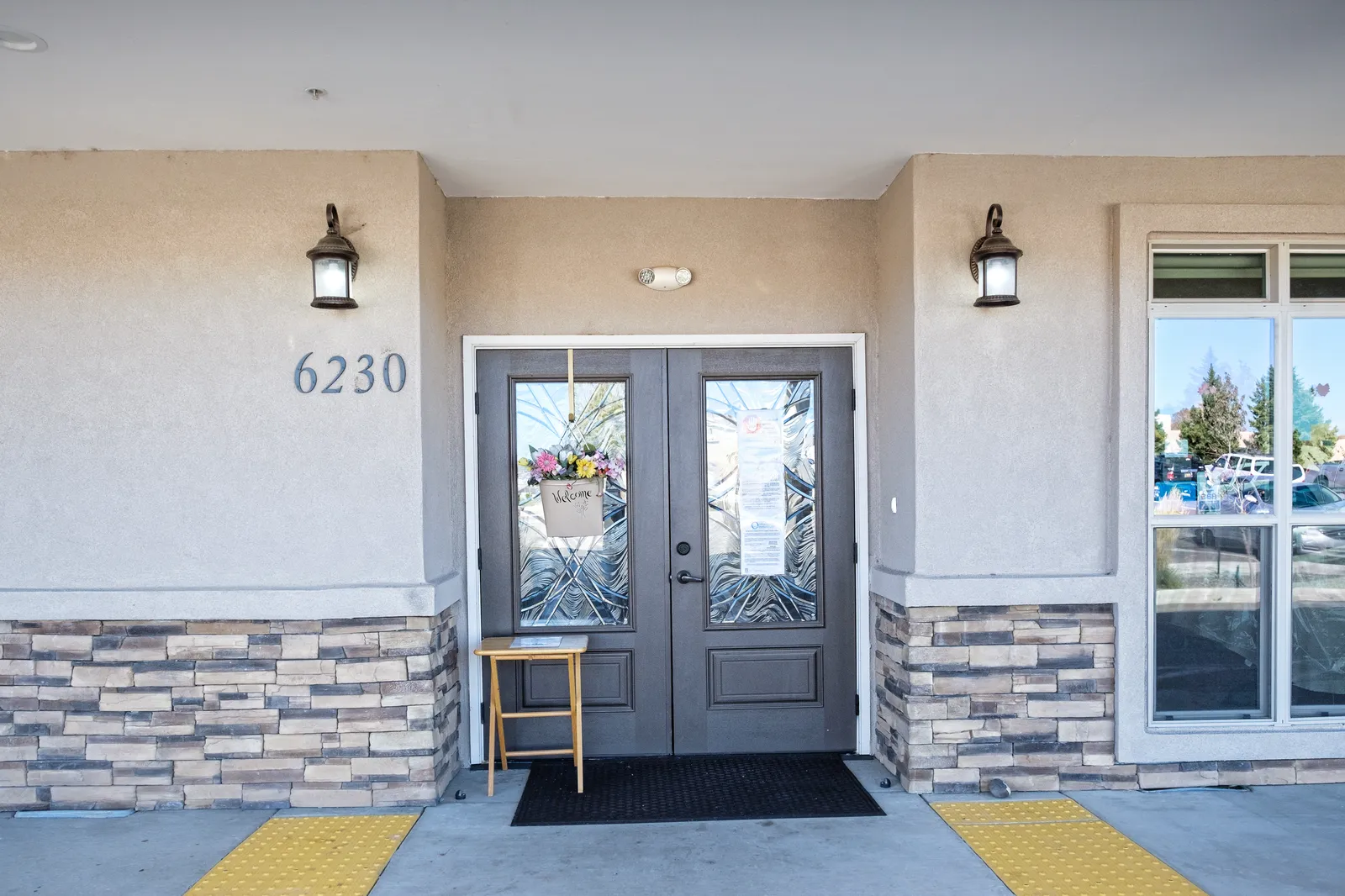
Address: 6230 Montaño Rd NW, Albuquerque, NM 87120
Phone: (505) 302-1919
BeeHive Homes of Volcano Cliffs
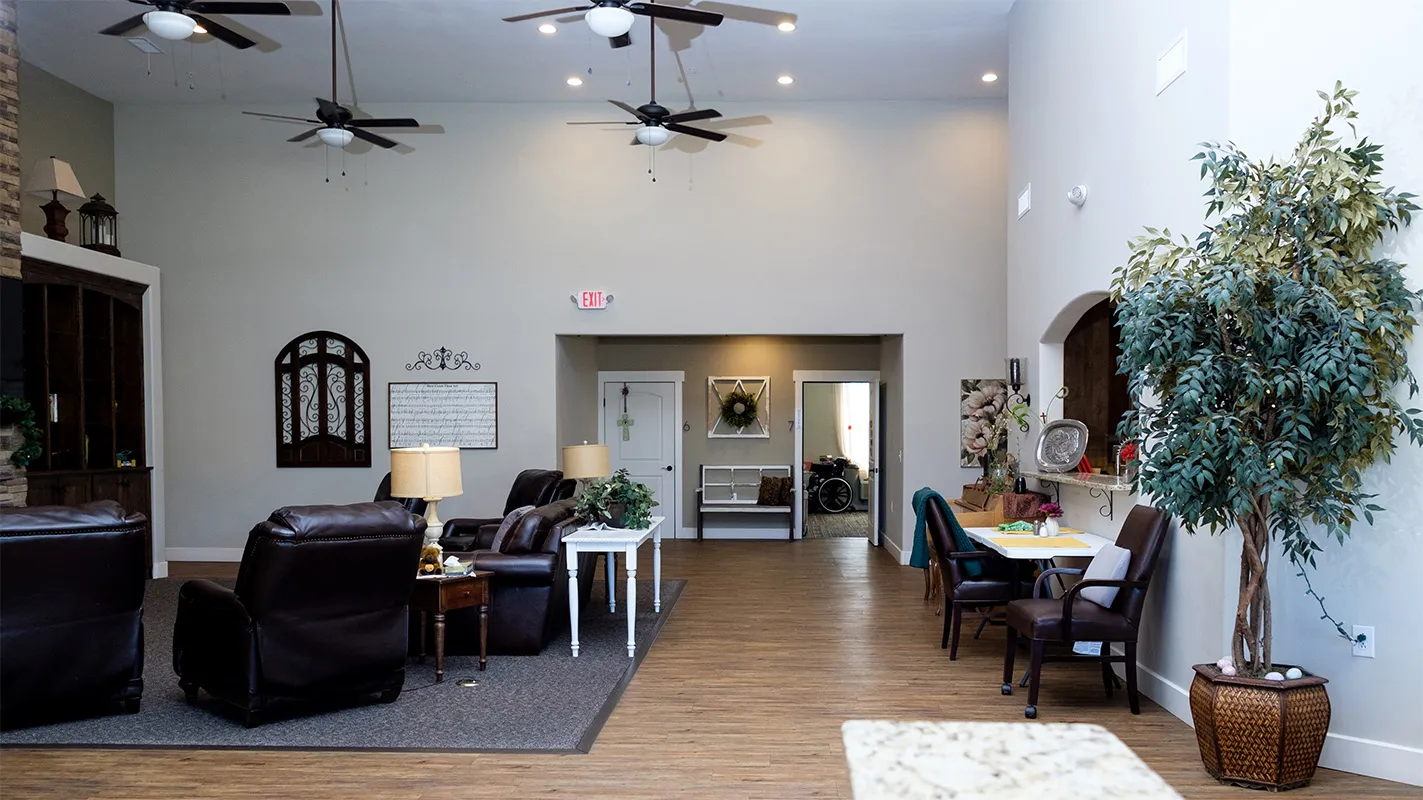
At BeeHive Homes of Volcano Cliffs, New Mexico, we offer the finest assisted living experience available in a cozy, comfortable homelike setting. Each of our residents has their own spacious room with an ADA approved bathroom and shower. We prepare and serve delicious home-cooked meals three times a day every day. We maintain a small, friendly elderly care community. We provide regular activities that our residents find fun and contribute to their health and well-being. Our staff is attentive and caring and provides assistance with daily activities to our senior living residents in a loving and respectful manner. We would like to invite you to tour and experience our assisted living home and feel the difference.
6230 Montaño Rd NW, Albuquerque, NM 87120
Business Hours
Choosing an assisted living home is one of those decisions that feels both practical and deeply personal. You are not just comparing floor plans and costs. You are choosing who will see when Mom skips a meal, who will stroll next to Dad on the slick walkway after rain, who will call you at midnight if something is incorrect.
Having walked families through this process for many years, I have seen how frustrating it can be in the beginning. Fortunately is that quality in senior care shows up once you understand where to look. It appears in staff behavior, in how locals spend their afternoons, in how rapidly a call light is addressed, and even in the odor when you walk through the door.
This guide concentrates on how to compare assisted living homes in a grounded, useful method, consisting of how to think of respite care, longer term senior care, and complicated elderly care needs.
Start with a clear photo of needs, not buildings
Most families begin by exploring neighborhoods and looking at decoration. The much better beginning point is a completely sincere conversation about needs, threats, and preferences.
Ask yourself, and your loved one if they can participate meaningfully: Exactly what do they need help with today? And what is most likely to alter over the next 1 to 3 years?
Activities of daily living are a simple framework. Do they need cuing or hands-on assistance with bathing, dressing, toileting, moving, eating, or managing medications? Someone who only requires light suggestions can grow in an extremely different setting from someone who requires aid with standing securely or handling incontinence.
Look beyond physical requirements. Cognitive issues such as mild memory loss, confusion at night, or problem following multi-step directions affect what kind of assisted living will work. A person with early dementia might succeed in a small, structured neighborhood, while someone with considerable roaming or exit-seeking behavior might require a secure memory care environment instead of basic assisted living.
Finally, tease out choices that are more than "great to have." Does your father light up in a small, quiet group, or does your mother gain energy from a hectic social calendar? A mismatch here does not show up on the first tour, however it matters a great deal in the long run.
If requirements are uncertain, think about a duration of respite care initially. A short remain in a community, often two to 6 weeks, can be a lower-risk way to see how your loved one functions with personnel support and how the home really runs day to day.
Understanding levels of care: assisted living, respite care, and beyond
The expressions "assisted living," "independent living," and "nursing home" get utilized loosely, and state policies differ, so it assists to clarify what each normally means.
Assisted living usually provides real estate, meals, help with personal care, medication management, and social activities for grownups who do not need 24-hour nursing supervision. Many neighborhoods can manage moderate levels of physical and cognitive problems, however there is a limit. They are not healthcare facilities, and they are not long term severe care facilities.
Respite care is short-term senior care, frequently inside an existing assisted living or proficient nursing facility. Families use it when a main caregiver needs a break, is recuperating from surgery or disease, or wishes to "evaluate drive" communal living for a loved one. The essential thing with respite is to guarantee the same staffing, services, and safety requirements use to respite residents as to long-lasting locals. A respite stay must not feel like being a guest on the margins.
Memory care is a special subset of assisted living or residential care created for people with Alzheimer's disease or other dementias. Personnel training, building design, and day-to-day routines are customized to cognitive problems. Not every elderly care neighborhood has true memory care, even if they say they "can handle dementia," so ask particularly about devoted programs and safe and secure units.
Skilled nursing centers (nursing homes) provide 24-hour nursing care and more intricate medical management. Some assisted living providers will describe themselves as "aging in place" communities, meaning a resident can stay there as requirements increase. Ask what takes place when someone needs two-person transfers, nightly incontinence care, or advanced injury management. The response tells you where the genuine line is between assisted living and experienced nursing in that setting.
Understanding these differences upfront assists you compare the best type of homes, instead of falling in love with a location that can not safely meet your loved one's future needs.
Building a realistic shortlist
The internet makes it simple to pull a list of alternatives, but online reviews for senior care requirement to be read with care. They tend to overrepresent extremely delighted and mad families and typically reflect a single minute in time, not the constant reality.
Start by filtering based on non-negotiables: place relative to crucial member of the family, spending plan variety, whether they can manage specific medical conditions (for example, insulin-dependent diabetes, oxygen use, or substantial movement limitations), and whether they use respite care if that becomes part of your plan.
Next, talk with professionals who see numerous centers, not simply one. Hospital discharge coordinators, geriatric social employees, and home health nurses know which places send out locals back to the medical facility regularly, which ones interact well, and which ones appear chronically short staffed. Their informal viewpoints are frequently more precise than shiny marketing.
When you call each neighborhood, take note of how that very first conversation feels. Do you speak to someone who listens, asks good follow-up questions, and gives specific answers, or someone who reads from a script and welcomes you to "come tour" before attending to any issues? The method the front office treats you as a potential consumer frequently mirrors how they manage households when problems arise.
Aim for three to 5 communities on your shortlist. That is normally adequate to see real differences without burning yourself out.
What to try to find on the first visit
A tour is not just about seeing the rooms. It is your chance to observe the culture, staffing, and day-to-day rhythm of the place.
Try to get here a little early and being in the lobby or common area. Watch interactions before anyone knows you are on a tour. Are staff welcoming locals by name? Do residents look engaged, or do they appear parked in front of a television? A neighborhood that feels alive at 2 p.m. On a random weekday frequently has its act together.
Smell matters. A faint odor of cleansing items or occasional bathroom odor is regular in elderly care settings. A pervasive urine smell or heavy air freshener masking something even worse typically reflects chronic understaffing or lax housekeeping.
Ask to see not just the best model unit but also a room presently inhabited, with the resident's approval. Look for practical details: get bars in the right places, shower style that supports someone who is unsteady, emergency situation call systems reachable from bed and bathroom, and thermostats locals can control.
Meals are central to lifestyle in assisted living. If possible, visit during a meal and sit with residents. Notice portion sizes, whether food looks appealing, and whether staff help with dignity with cutting food or opening containers. Ask locals what happens if someone does disappoint up to meals. In a well-run neighborhood, staff check-in patterns catch these modifications early.
Activities calendars tell one story. The real activity space often informs another. Pop your head in during an activity. Are three people sitting silently while a staff member half-heartedly skims a book, or exists genuine engagement aligned with locals' capabilities? Individuals with arthritis might not want arts and crafts however might delight in conversation groups or simple card games. Real senior care adapts activities to who lives there, not the other method around.
A focused pre-visit checklist
Used briefly and thoughtfully, a basic checklist can keep you from missing fundamentals throughout the tension of touring.
- Confirm they can fulfill your loved one's existing medical, movement, and cognitive requirements, consisting of any special issues such as roaming, oxygen, or complex medications.
- Ask for base rates, care level costs, and what is included in each, then compose them down for later comparison.
- Check licensure status and the date of the most current state study or examination, and ask if there were any significant shortages.
- Clarify whether they accept short-term respite care, long-lasting homeowners, or both, and whether care expectations differ in between them.
- Schedule your visit at a time when routine activities occur, not throughout staged occasions or open houses.
Staffing: the foundation of quality care
Nice paint and chandeliers do not help if there are insufficient qualified hands on the floor. When comparing assisted living homes, staff levels and stability are more predictive of excellent elderly care than amenities.
Ask candidly about staffing ratios. Laws differ, and numerous neighborhoods will not price estimate hard numbers, but they ought to be able to explain typical staffing on days, nights, and nights for your loved one's care area. If they dodge the question or offer just unclear answers like "we staff to meet requirements," that is a moderate warning sign.
Pay close attention to how direct care personnel communicate with homeowners. Search for eye contact, respectful language, and mild physical hints. If someone calls homeowners "feeders" or "two-persons" within your earshot, that is the culture speaking, not just an individual.
Tenure matters. A building where the nurse has actually been there for 6 years, the activities director for 4, and a number of aides for more than 2 years has discovered ways to retain people. High turnover results in irregular care and missed out on details, especially when subtle changes in habits might be the very first indication of infection or medication side effects.
Ask what sort of training personnel get on dementia, fall avoidance, and handling difficult behaviors. A neighborhood that cares about senior care beyond fundamental jobs will purchase continuous education, not just a single orientation day.
Safety, health, and medical oversight
Even in assisted living, medical problems occur daily. The concern is not whether your loved one will require help, however how quickly and thoughtfully the community will respond.
Ask who is on site and when. Some centers have actually registered nurses only throughout weekday service hours, with on-call coverage during the night. Others have actually certified nurses on website 24/7. For someone with complex conditions or a history of frequent hospitalizations, 24-hour nursing deserves the additional cost.
Clarify how medications are handled. Do nurses or trained medication aides deal with administration? How are brand-new orders interacted from doctors, and how are mistakes reported and handled? When errors happen, you want a group that is sincere, regretful, and concentrated on avoiding a repeat.
Falls are among the most typical emergencies in elderly care. Ask about their fall avoidance program. Do they examine each resident's risk, adjust environments, and follow up after a fall with modifications to the care strategy, or do they merely record and move on? Request concrete examples, not simply assurances.
Finally, comprehend how they interact with households about health modifications. Some neighborhoods phone households for each small incident, which can be overwhelming however reassuring. Others just require significant occasions. You will want to know which style fits your expectations and how flexible they can be.
The feel of every day life: autonomy, dignity, and routine
Good assisted living is not simply safe, it supports a meaningful life. As you compare communities, take note of how they deal with choice and dignity.
Residents must have real input into day-to-day routines. Ask whether individuals can select what time they awaken, when they bathe, and whether they can opt out of activities without pressure. A stiff schedule is easier for personnel, but it frequently erodes a sense of self for citizens who have actually led independent lives for decades.
Dignity displays in small information. How do personnel manage incontinence care? Do they knock and wait before entering spaces? Are grooming and clothing choices respected? An older woman who always wore precious jewelry needs to not suddenly look neglected because staff do not have time or interest to help her preserve that part of her identity.
Food versatility is another essential piece. Exist options if somebody does not like the primary meal, and can they accommodate special diets without making the resident seem like a concern? Senior care that treats meals only as fuel misses out on a crucial social and emotional anchor.
Look likewise at how homeowners move through the structure. Are they easily strolling, being in different lounges, talking with each other, or mainly isolated in their rooms? Communities that support informal event spaces and encourage gentle motion often have fewer behavioral concerns and better general mood.
Financial clearness and long-lasting sustainability
Cost frequently ends up being the hardest part of the choice as soon as you find a location you like. Assisted living prices can be stealthily complex, and households are sometimes surprised by how rapidly fees rise as care needs increase.
Most operators structure charges with a base rate for real estate and basic services, plus tiered care levels. Request composed descriptions of each level and the criteria utilized to appoint them. Then ask how frequently care levels are reassessed, and how they notify households of modifications. A sudden dive from one level to another can add hundreds or thousands of dollars per month.
If your loved one might ultimately depend on Medicaid or other public advantages, ask whether the community accepts these, and under what conditions. Some locations accept Medicaid only after a private-pay period of a year or more. Others do decline it at all, which means a move may be needed when funds run low.
For respite care, understand whether the day-to-day or weekly rate truly consists of all services your loved one will need. Some facilities quote a relatively low respite rate that leaves out medication management or higher levels of support, then add substantial charges once the stay begins.
It assists to project expenses over a minimum senior living of 3 years, taking into account most likely boosts in care requirements, normal annual rate walkings, and how long existing funds might last. A slightly less elegant neighborhood that your household can afford for a number of years frequently makes more sense than a gorgeous setting that forces a disruptive relocation after 18 months.
Red flags that deserve your attention
Every neighborhood will have imperfections. The objective is not to find a perfect location, but to differentiate manageable peculiarities from serious issues. Certain patterns tend to indicate deeper issues.
- Staff speak adversely about locals or other staff in front of you, or you overhear regular arguing or grievances at the front desk.
- Residents repeatedly push call buttons that go unanswered for extended periods, or you see hazardous circumstances (damp floors, chaotic hallways) left unaddressed.
- Leadership avoids direct responses about surveys, citations, or complaints, or ends up being protective when you ask comprehensive concerns about care.
- The activities calendar looks enticing, but during your visit you see little or no real engagement, with a lot of locals sitting idle.
- You feel hurried, pressed to sign rapidly, or discouraged from speaking to existing homeowners or households without personnel present.
If 2 or more of these appear regularly, treat that as significant information, regardless of how remarkable the building looks.
Small versus large neighborhoods: compromises to consider
Families typically ask whether a smaller "board and care" design home or a larger assisted living building is better. The answer depends upon your loved one's personality, needs, and what matters most to you.
Smaller homes, often accredited for 6 to 10 locals, can feel more like a traditional home. Personnel understand everyone thoroughly, and regimens are frequently versatile. For somebody who gets easily overwhelmed by sound and crowds, this can be perfect. However, smaller homes may have less structured activities and restricted on-site medical oversight.
Larger communities typically offer more comprehensive activity programs, on-site amenities such as beauty parlors or treatment fitness centers, and a wider mix of peers. Extroverted locals or those who enjoy group events typically flourish in these environments. The compromise is that it can feel institutional, and without strong management, individuals might get lost in the crowd.
When comparing, try to imagine your loved one on a peaceful Tuesday afternoon, not throughout a vacation party. Where would they feel more at ease, more themselves? That psychological picture can assist cut through marketing and concentrate on fit.
Using respite care as a trial run
If you are deeply unsure, a brief respite care stay in your top choice can be invaluable. It provides your loved one an opportunity to experience assisted living without a complete commitment and gives you a clearer window into daily operations.
Approach respite as a major test, not a vacation. Offer accurate medical information, normal regimens, and habits patterns. Check how staff adjust to those information, how they document modifications, and how they interact with you during the stay. If staff appear constantly surprised by information you shared at admission, that tells you about internal communication, not just a single missed out on note.
Pay attention to your loved one's feedback, even if it is filtered through cognitive disability. "They never ever come when I call" or "I am lonely here" might reflect real issues, or it might show the uncomfortable adjustment of leaving home. Probe gently, ask specifics, and compare what you hear with your own observations and staff reports.
Sometimes households discover that the care is exceptional, but the timing is wrong and independence can continue safely in your home for a while longer. Other times, a hesitant parent blooms with brand-new pals and structure. In either case, you are choosing based on lived experience, not just tours.
Pulling it together: how to compare as soon as you have actually toured
After you have actually checked out a couple of neighborhoods, information blur. Create an easy record for each location: what you saw, what staff said, what citizens informed you, how your gut felt. Consist of both useful points such as pricing and care capacity, and softer impressions such as heat, sound level, and overall energy.
Reflect on a few directing questions:
Which place did I feel comfortable leaving my loved one alone in, at 9 p.m. On a rainy night?
Where did I see staff acting in methods I would be happy to see my own household mimic? Which community appeared most honest about what they can refrain from doing, not just what they can?Often, a pattern emerges. One neighborhood may be plainly stronger clinically but weaker socially. Another may feel warm and pleasant, but battle with higher-acuity homeowners. There is hardly ever a best match. Rather, you select the best balance of security, dignity, social connection, and sustainability for your situation.
When you discover that balance, assisted living can be even more than a place to live. It can be a setting where senior care specialists support your loved one's independence, where respite care gives family caretakers real rest, and where elderly care is not just a service, but a relationship.
Taking the time to compare thoughtfully is one of the best presents you can provide both your loved one and yourself.
BeeHive Homes of Volcano Cliffs provides assisted living care
BeeHive Homes of Volcano Cliffs provides respite care services
BeeHive Homes of Volcano Cliffs supports assistance with bathing and grooming
BeeHive Homes of Volcano Cliffs offers private bedrooms with private bathrooms
BeeHive Homes of Volcano Cliffs provides medication monitoring and documentation
BeeHive Homes of Volcano Cliffs serves dietitian-approved meals
BeeHive Homes of Volcano Cliffs provides housekeeping services
BeeHive Homes of Volcano Cliffs provides laundry services
BeeHive Homes of Volcano Cliffs offers community dining and social engagement activities
BeeHive Homes of Volcano Cliffs features life enrichment activities
BeeHive Homes of Volcano Cliffs supports personal care assistance during meals and daily routines
BeeHive Homes of Volcano Cliffs promotes frequent physical and mental exercise opportunities
BeeHive Homes of Volcano Cliffs provides a home-like residential environment
BeeHive Homes of Volcano Cliffs creates customized care plans as residents’ needs change
BeeHive Homes of Volcano Cliffs assesses individual resident care needs
BeeHive Homes of Volcano Cliffs accepts private pay and long-term care insurance
BeeHive Homes of Volcano Cliffs assists qualified veterans with Aid and Attendance benefits
BeeHive Homes of Volcano Cliffs encourages meaningful resident-to-staff relationships
BeeHive Homes of Volcano Cliffs delivers compassionate, attentive senior care focused on dignity and comfort
BeeHive Homes of Volcano Cliffs has a phone number of (505) 302-1919
BeeHive Homes of Volcano Cliffs has an address of 6230 Montaño Rd NW, Albuquerque, NM 87120
BeeHive Homes of Volcano Cliffs has a website https://beehivehomes.com/locations/volcano-cliffs/
BeeHive Homes of Volcano Cliffs has Google Maps listing https://maps.app.goo.gl/vC78eXZrUYuJ298v9
BeeHive Homes of Volcano Cliffs has Instagram page https://www.instagram.com/beehivealbuquerquewest
BeeHive Homes of Volcano Cliffs has an TikTok page https://www.tiktok.com/@beehivehomesalbuq
BeeHive Homes of Volcano Cliffs won Top Assisted Living Homes 2026
BeeHive Homes of Volcano Cliffs earned Best Customer Service Award 2025
BeeHive Homes of Volcano Cliffs placed 1st for Senior Living Communities 2026
People Also Ask about BeeHive Homes of Volcano Cliffs
What is BeeHive Homes of Volcano Cliffs Living monthly room rate?
Our base rate is $7,100 per month. We do an assessment of each resident's needs upon move-in, so each resident's rate may be slightly higher. However, there are no add-ons or hidden fees. We also charge a one-time community fee of $2,000 at move-in
Does Medicare or Medicaid pay for a stay at Bee Hive Homes?
Medicare pays for hospital and nursing home stays, but does not pay for assisted living. Some assisted living facilities are Medicaid providers, but we are not. We do accept private pay, long-term care insurance, and we can assist qualified Veterans with approval for the Aid and Attendance program
Do we have a nurse on staff?
We do have a nurse on contract who is available as a resource to our staff but our residents' needs do not require a nurse on-site. We always have trained caregivers in the home and awake around the clock
What can you tell me about the food at Bee Hive?
You have to smell it and taste it to believe it! We use dietitian-approved meals with alternates for flexibility, and we can accommodate needs for different texture and therapeutic diets. We have found that most physicians are happy to relax diet restrictions without any negative effect on our residents
Do we allow pets?
We do allow small pets as long as the resident is able to care for them. State regulations also require that we have evidence of current immunizations for any required shots
Where is BeeHive Homes of Volcano Cliffs located?
BeeHive Homes of Volcano Cliffs is conveniently located at 6230 Montaño Rd NW, Albuquerque, NM 87120. You can easily find directions on Google Maps or call at (505) 302-1919 Monday through Sunday 10:00am to 7:00pm
How can I contact BeeHive Homes of Volcano Cliffs?
You can contact BeeHive Homes of Volcano Cliffs by phone at: (505) 302-1919, visit their website at https://beehivehomes.com/locations/volcano-cliffs/ or connect on social media via Instagram Facebook or TikTok
K Style Kitchen provides a convenient local restaurant where families supporting loved ones through Assisted living memory care senior care elderly care and respite care can enjoy an outing together.